Medicine - Health
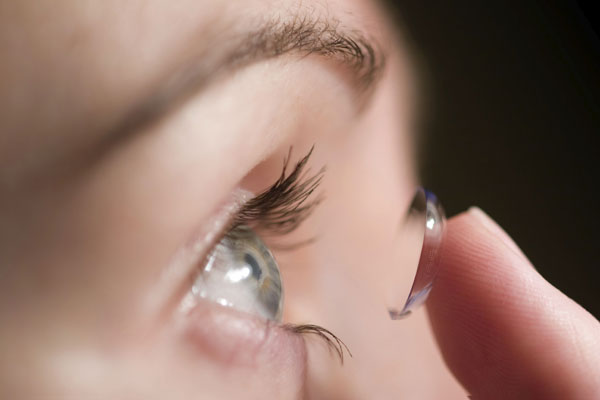
Risk of blindness due to contact lenses
The Daily Mail quoted Fiona Henriquez, a researcher from the University of West Scotland, who said that Acanthamoeba parasites are potential enemies for contact lens use…
Browse ScienceInfo articles and explainers related to Contact Lens.
58 published items.
The Daily Mail quoted Fiona Henriquez, a researcher from the University of West Scotland, who said that Acanthamoeba parasites are potential enemies for contact lens use…
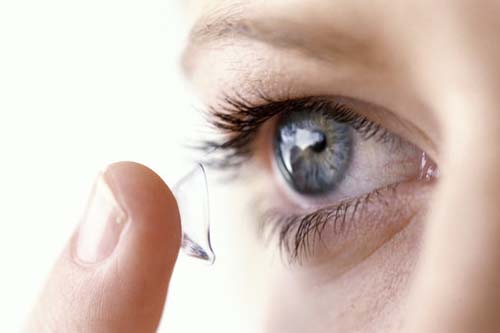
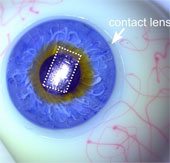
Recently, American medicine scientists have given contact lenses a new task to measure blood sugar levels for glasses.

Trendy contact lenses can lead to blindness, which is a warning from ophthalmologists.
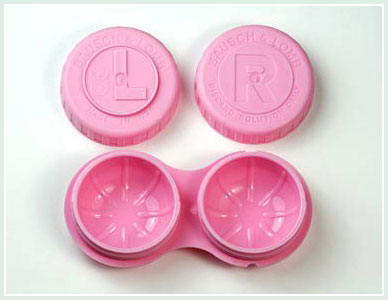
Australian researchers have found a simple yet extremely creative method to treat blind people due to corneal damage.

Scientists use contact lenses with stem cells to maintain vision for the blind. The first surgery significantly improved vision for patients.
There have been many inventions that have been around for thousands of years, but not all of them were popular at the time.
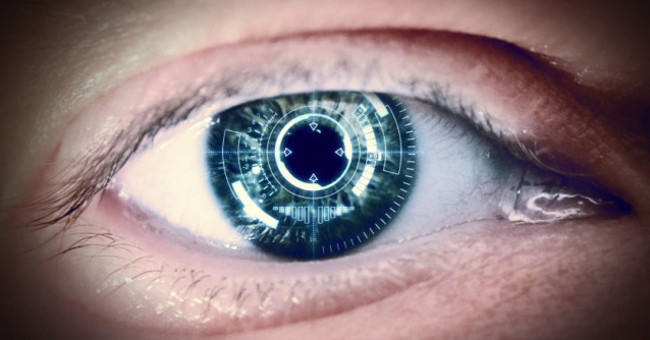
Sony is making smart contact lenses with video recording functions wherever you are.
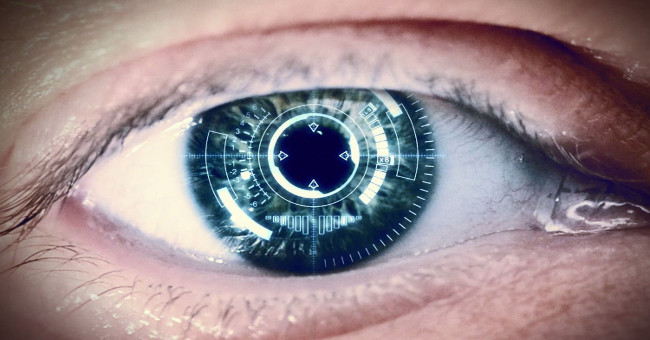
Contact lenses capable of imaging, instant video recording will be electronic devices that replace the smartphone in the future.
With incredible technological advances, Google and other technology giants are proving to us that technology is capable of helping people improve and fix themselves. Mic…
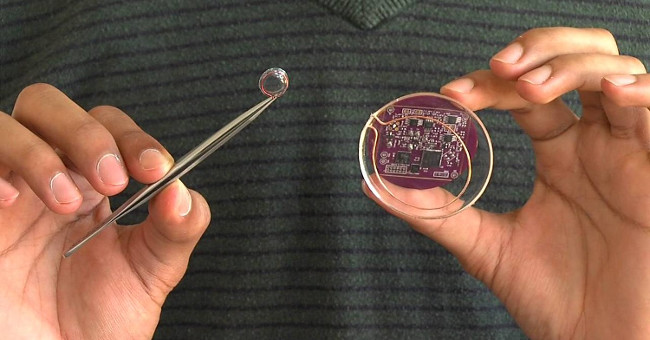
Contact lenses that wirelessly connect to mobile phones and smartwatches to transmit health information, are about to come true thanks to a new technology.
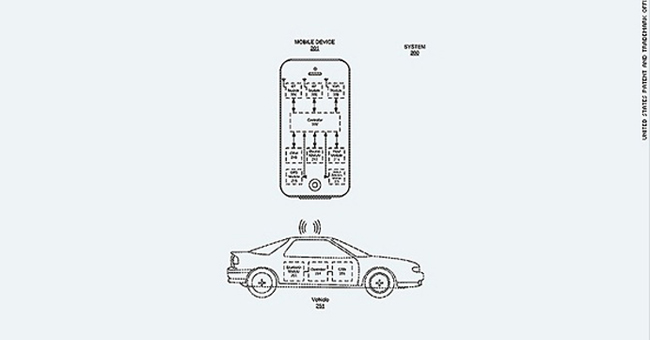
Whether it is a new life or an idea sketched on paper, these inventions show creativity and originality that many admire.
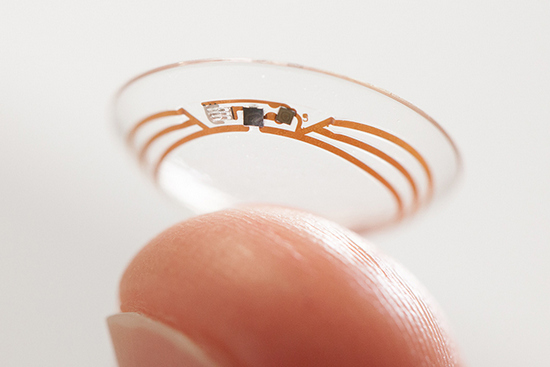
Im a little quiet since the announcement of contact lenses development in March this year, Google this week showed that they are still implementing their 'Google X' proj…
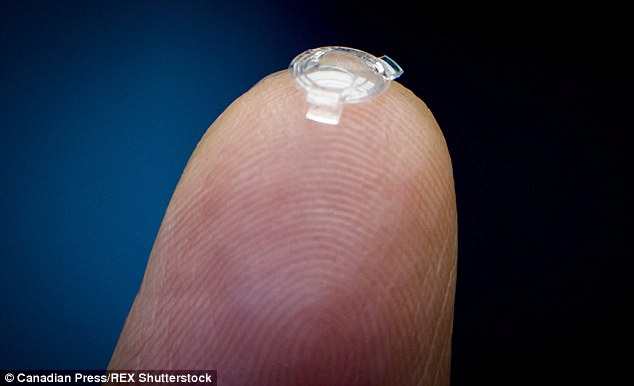
This is a type of contact lenses that use biological materials, can be permanently implanted into the human eye.
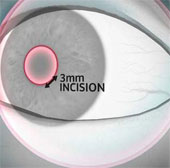
A new surgical approach can help people with poor eyesight bypass the glasses.
Researchers have developed an ultra-thin, transparent and flexible microchip that can wrap around a human hair that still works well.